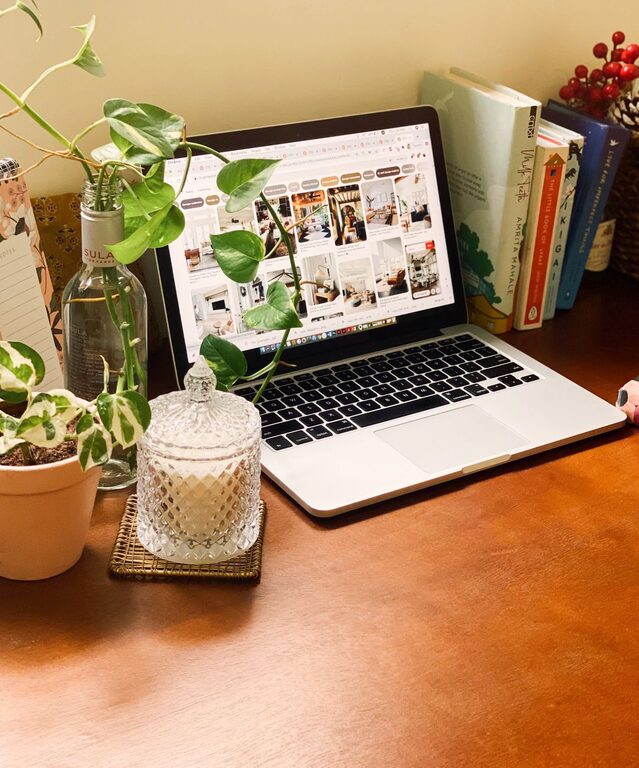





Creating a home office that is both comfortable and productive is essential for anyone working remotely or running a business from home. A well-designed workspace can improve focus, reduce stress, and help separate work time from personal time. Whether you have a dedicated room or just a small corner, the right setup makes all the difference. Here are some useful tips to help you create your ideal home office space.
Choose the Right Location
Selecting the right spot for your home office is the first step toward productivity. Consider these factors:
– Natural Light: Try to set up near a window to benefit from natural sunlight, which can elevate mood and reduce eye strain.
– Quiet Environment: Pick a place with minimal distractions and noise. If that’s not possible, noise-cancelling headphones can help.
– Space Availability: Make sure there’s enough room for your desk, chair, and any devices or storage you need.
Invest in Ergonomic Furniture
Comfort matters when you’re sitting for extended periods. Here’s what to focus on:
– Chair: Use an adjustable ergonomic chair that supports your lower back and promotes good posture.
– Desk: Choose a desk at the right height so your arms rest comfortably while typing. Standing desks are also an option for alternating positions.
– Monitor Position: Your computer screen should be at eye level to avoid neck strain.
Organize Your Workspace
Keeping your area tidy can increase focus and efficiency. Tips for organizing your office include:
– Declutter: Remove unnecessary items and keep only what you use daily within reach.
– Storage Solutions: Use shelves, drawers, or bins to store documents and office supplies.
– Cable Management: Use clips or ties to keep cords out of sight and prevent tangling.
Pay Attention to Lighting
Proper lighting reduces eye strain and creates a pleasant atmosphere:
– Layer Your Lighting: Combine natural light with overhead lights and task lighting.
– Task Lights: Use a desk lamp with adjustable brightness to illuminate work areas as needed.
– Avoid Glare: Position screens and lights to prevent reflections that can cause discomfort.
Add Personal Touches
Making your workspace inviting can boost motivation:
– Decor: Add plants, artwork, or photos that make you feel happy and relaxed.
– Colors: Choose a soothing color palette to create a calm environment.
– Comfort Items: Include a cozy throw blanket or a small cushion for added comfort.
Minimize Distractions
Staying focused is easier with fewer interruptions:
– Set Boundaries: Communicate your work hours to family or housemates.
– Limit Noise: Use soft background music or white noise if it helps concentration.
– Use Technology Wisely: Turn off non-work notifications during focused work sessions.
Incorporate Ergonomic Accessories
Small additions can enhance comfort:
– Keyboard and Mouse: Consider ergonomic designs to reduce wrist strain.
– Footrest: Support your feet to improve circulation.
– Monitor Stand: Adjust screen height without straining your neck.
Establish Routines and Breaks
Creating habits can improve your workday:
– Start with a Morning Ritual: Begin with a routine that signals the start of your workday.
– Schedule Breaks: Take short breaks to stretch and rest your eyes every hour.
– End Workday Ritual: Closing your laptop and tidying your desk can help mark the end of your work hours.
Maintain Good Air Quality
Air quality affects comfort and concentration:
– Ventilation: Open windows when possible or use an air purifier.
– Plants: Indoor plants can help improve air quality and add a natural touch.
Utilize Technology Tools
Enhance your productivity with the right tools:
– Task Management Apps: Use apps to organize your tasks and deadlines.
– Communication Platforms: Keep connected with colleagues through video calls and messaging apps.
– Backup Solutions: Regularly back up your work to avoid data loss.
Conclusion
Designing a home office that fits your needs and preferences is key to working effectively from home. Focus on comfort, organization, and minimizing distractions, while adding personal touches to make the space inviting. With these tips, you’ll create a productive environment where you can thrive every day. Remember, your home office should support your work habits and well-being—tailor it to what works best for you.