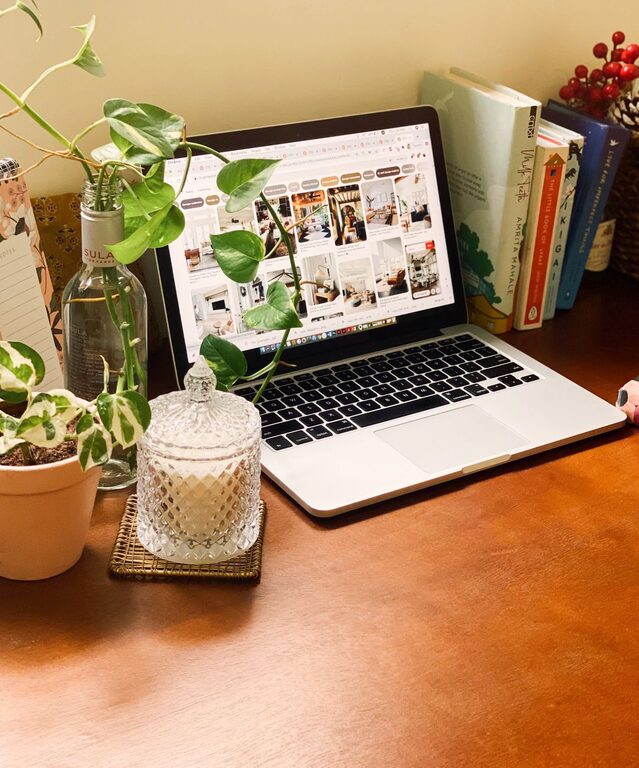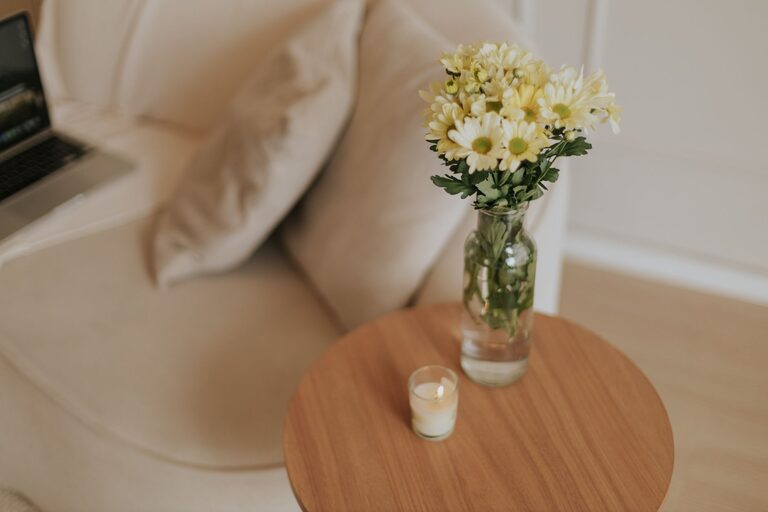





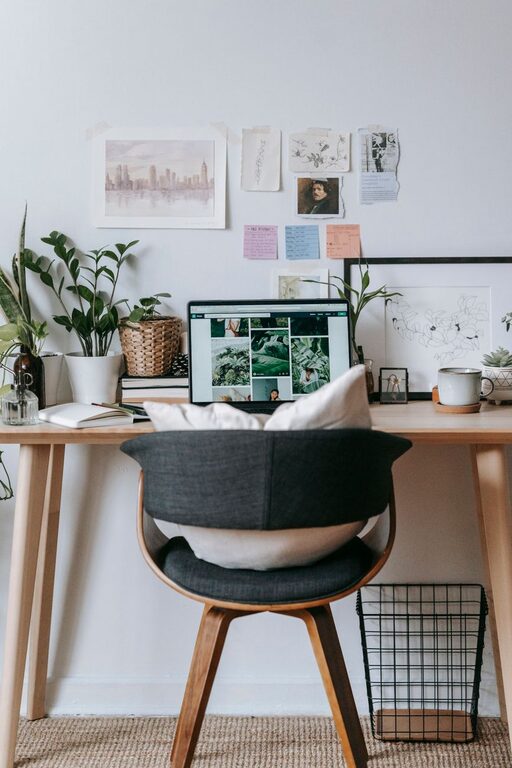
Creating a cozy and functional home office space is essential for anyone working from home or managing tasks remotely. A well-thought-out workspace not only boosts productivity but also helps maintain a healthy work-life balance. Whether you have a dedicated room or a small corner in your living area, with the right approach, you can set up a comfortable and efficient office that suits your needs.
Choose the Right Location
The first step to setting up your home office is selecting the perfect spot. Consider these factors:
– Natural Light: Try to find a space with plenty of natural light. Sunlight improves mood and alertness, making it easier to stay focused.
– Quiet Environment: Choose a location away from noisy household areas to minimize distractions.
– Space Availability: Ensure there’s enough room for your desk, chair, and other essentials without feeling cramped.
If you don’t have a separate room, a corner in your bedroom or living room can work well with some smart planning.
Invest in Comfortable Furniture
Comfort is key when spending long hours at your desk. Here’s what to look for:
– Ergonomic Chair: Select a chair that supports your lower back and encourages good posture.
– Desk Size: Choose a desk that accommodates your computer, keyboard, and other items without cluttering.
– Adjustability: Consider an adjustable desk to alternate between sitting and standing positions for better health.
Quality furniture may require an initial investment but will enhance your comfort and productivity in the long run.
Optimize Lighting
Good lighting reduces eye strain and keeps you energized throughout the day.
Natural Lighting Tips
– Position your desk near windows but avoid direct glare on your screen.
– Use sheer curtains to diffuse harsh sunlight.
Artificial Lighting
– Use a desk lamp with adjustable brightness for focused tasks.
– Consider warm white bulbs for a cozy atmosphere.
– Avoid overhead fluorescent lights that can cause discomfort or headaches.
Organize for Efficiency
An organized workspace allows you to find what you need quickly and reduces stress.
Declutter Your Desk
– Keep only essential items within reach.
– Use desk organizers for pens, paper, and gadgets.
Storage Solutions
– Install shelves or cabinets to store books, files, and supplies.
– Use labeled bins or boxes to keep items neatly arranged.
Regularly clean and declutter the space to maintain a tidy environment.
Personalize Your Space
Adding personal touches can make your office feel welcoming.
– Plants: Indoor plants improve air quality and bring life to your workspace.
– Artwork or Photos: Display images that inspire or relax you.
– Color Scheme: Choose colors that promote focus and calmness, such as soft blues, greens, or neutrals.
Make sure personalization doesn’t interfere with functionality or cause distractions.
Manage Technology Wisely
Technology is essential but can also clutter and distract.
– Cable Management: Use clips or sleeves to keep cords organized and out of sight.
– Reliable Equipment: Invest in a good quality computer, headset, and internet connection.
– Backup Solutions: Regularly save important files and consider using cloud storage.
Arrange your devices ergonomically to minimize strain on your eyes, neck, and wrists.
Create a Routine-Friendly Layout
Your office setup should encourage good habits and a smooth workflow.
– Place frequently used items within easy reach.
– Keep a dedicated spot for a planner or calendar to track tasks.
– Reserve some space for breaks or stretches, such as a small chair or yoga mat.
A layout that supports your daily routine will help maintain focus and reduce fatigue.
Keep Air Quality in Mind
Good air quality contributes to overall comfort and concentration.
– Open windows regularly to allow fresh air.
– Use an air purifier if necessary.
– Avoid strong odors or harsh cleaning chemicals that might disturb your concentration.
Final Thoughts
Designing a cozy and functional home office is all about balancing comfort, efficiency, and personal style. Thoughtfully selecting your location, furniture, lighting, and organization methods can transform any space into a productive haven. Remember to keep your setup flexible, so you can make adjustments as your work habits evolve. With these tips, you’ll create a workspace that supports your best work every day.