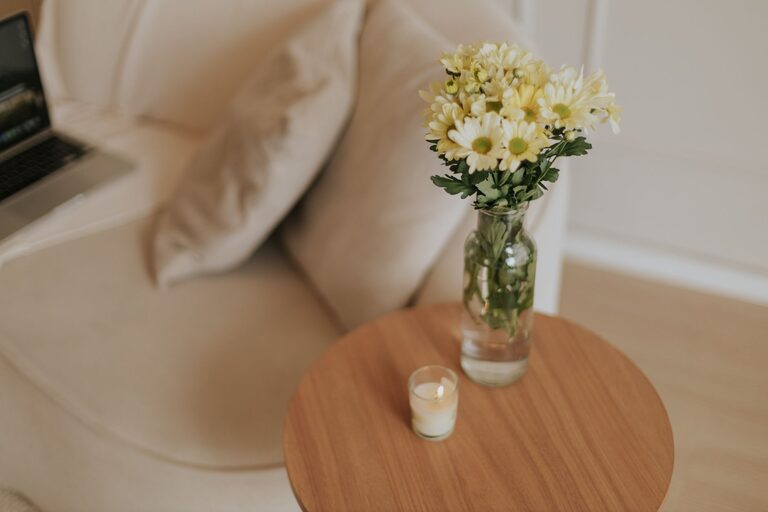





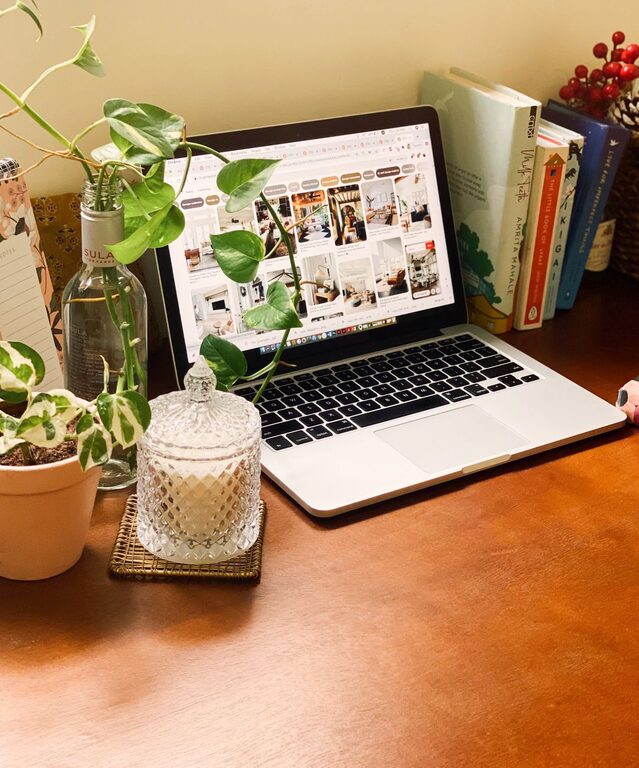
Creating a cozy and inviting home workspace is essential for maintaining focus, boosting productivity, and enjoying your workday. Whether you work remotely, run a home business, or just need a dedicated spot for tasks and hobbies, a workspace that feels comfortable and welcoming can make a big difference. Here are some helpful tips to design a home office that combines functionality and warmth.
1. Choose the Right Location
The foundation of a cozy workspace begins with its location. Select a spot that suits the type of work you do and your personal preferences.
– Natural light: Position your desk near a window if possible. Natural light reduces eye strain and improves mood.
– Quiet environment: Choose a space with minimal distractions and low noise levels.
– Accessibility: Make sure it’s easy to get to your workspace without disrupting other household activities.
2. Invest in Comfortable Furniture
Comfort is key when setting up a home office. Since you may spend several hours seated, the right furniture helps avoid discomfort and fatigue.
– Ergonomic chair: Look for adjustable chairs that provide proper lumbar support.
– Desk height: Ensure your desk is at a height that keeps your arms at a 90-degree angle when typing.
– Flexible workspace: Consider a sit-stand desk or add a footrest for varied posture options.
3. Personalize Your Space
Adding personal touches makes the workspace more inviting and inspirational.
– Decor: Choose artwork or photos that make you smile or motivate you.
– Plants: Introduce greenery like small potted plants or succulents, which can improve air quality and add a pleasant touch.
– Colors: Use soft, calming colors such as blues or greens to create a peaceful atmosphere; avoid overly bright or distracting hues.
4. Organize and Declutter
A cluttered space can hinder your focus. Keep your workspace organized for both aesthetics and efficiency.
– Storage solutions: Use shelves, drawers, or organizers to keep documents and supplies tidy.
– Cable management: Hide or bundle cables to avoid a messy appearance.
– Minimalism: Only keep essential items on your desk to reduce distractions.
5. Use Proper Lighting
Good lighting complements natural light and ensures you can work comfortably, especially in the evenings.
– Task lighting: A desk lamp with adjustable brightness is useful for focused work.
– Ambient lighting: Use warm-toned bulbs to create a cozy and relaxing environment.
– Avoid glare: Position screens and lights to minimize glare and reflections.
6. Incorporate Comfort Accessories
Small additions can elevate your comfort and make the workspace more inviting.
– Soft textiles: Add a cozy rug, a cushion for your chair, or a throw blanket.
– Scent: Use a subtle diffuser or scented candle with your favorite calming fragrance.
– Temperature control: Keep a small fan or heater nearby for personal temperature adjustments.
7. Create Dedicated Zones
If space allows, set up different zones in your home office for various activities.
– Work zone: Your main desk and computer area.
– Reading or brainstorming spot: A comfortable chair or small couch for taking breaks or thinking creatively.
– Storage zone: A filing cabinet or bookshelf to keep supplies and references organized.
8. Incorporate Technology Wisely
Technology is essential but should not overwhelm your space.
– Efficient devices: Use a reliable computer, printer, and accessories that meet your needs.
– Wireless options: Wireless keyboards, mice, and speakers help reduce cable clutter.
– Charging station: Designate a spot for charging phones and gadgets to keep them organized.
9. Maintain Regular Tidying Habits
Keeping your space inviting requires ongoing care.
– Daily reset: Spend a few minutes each day decluttering and organizing your desk.
– Weekly clean: Dust surfaces, wipe screens, and vacuum rugs regularly.
– Evaluate often: Adjust your layout and organization as your needs change.
10. Set Boundaries for a Healthy Work-Life Balance
Your home workspace should help you focus but also respect personal time.
– Separate work and relaxation: Close the door or use a room divider to distinguish workspace from rest areas.
– Defined hours: Set working hours and stick to them to avoid burnout.
– Signaling availability: Use a small sign or indicator if others share your home to let them know when you are working.
—
Designing a cozy and inviting home workspace is all about comfort, organization, and personalization. By combining these elements, you’ll create a space where productivity and well-being go hand in hand. Take time to adjust your setup to what works best for you, and enjoy the benefits of a home office that feels both inspiring and restful.